How Design Systems Unlock the Power of Vibe Coding
Discover how design systems enable AI-driven coding to create production-ready prototypes that bridge the gap between discovery and delivery.
 Barbora OlahovaProduct Marketing Manager
The AI revolution has made prototyping accessible to everyone, from PMs to designers to engineers. But there's a catch: without the right foundation, vibe coding can quickly spiral into inconsistent, unmaintainable chaos. But what is the solution? A robust design system that provides the guardrails needed to turn creative iteration into production-ready work.
Key Takeaways
✅ Vibe coding democratizes prototyping but requires structure to produce production-ready work
✅ Design systems provide essential context for AI agents to build authentic experiences
✅ Three pillars of context (design data, code data, business context) compound to create magic
✅ Collaborative prototyping keeps teams aligned from discovery to delivery
✅ Supernova bridges the gap between prototyping and production with context-rich vibe coding
What is Vibe Coding?
Vibe coding represents a fundamental shift in how we build digital products. It's iterative, intuitive, and AI-assisted, allowing non-technical team members to create functional prototypes without deep coding expertise.
For product managers who once struggled to express their vision through lengthy PRDs and multiple handoffs, vibe coding tools like Claude Code, Cursor, and V0 have opened up entirely new possibilities.
The Challenge with Vibe Coding
While these tools democratize creation, they often produce prototypes that look similar to your product but don't match it functionally. Without proper structure, you end up with:
- Some demos that look like your product but can never be released to production.
- Frustrating gaps between discovery and delivery
- Wasted time recreating work that doesn't align with your codebase
Why Design Systems Matter More Than Ever
A design system is your single source of truth, a comprehensive collection of components, design tokens, patterns, and guidelines that define how your product looks, feels, and behaves. In the age of AI-powered prototyping, this foundation becomes not just helpful but essential.
Design Systems as AI Vocabulary
Think of your design system as the vocabulary that AI agents need to speak your product's language. When an AI understands your button variants, spacing tokens, color palette, and interaction patterns, it can generate prototypes that don't just approximate your brand but embody it authentically.
Benefits of Design System + AI Integration
- Consistency: Maintain quality and coherence across all prototypes
- Speed: Iterate rapidly without sacrificing production readiness
- Bridge: Connect design and development seamlessly
- Reusability: Generate code that engineers can actually ship
Design Systems + Vibe Coding = Magic 🪄
When you combine a well-structured design system with AI-powered vibe coding, something remarkable happens: speed, consistency, and quality compound together.
Traditional Workflow (Without Integration)
PM writes PRD → Hands off to designers → Multiple rounds of feedback → Passes mockups to engineers → Engineers discover inconsistencies → Back to the drawing board
Timeline: Weeks or months
Modern Workflow (With Design System + Vibe Coding)
PM opens prototyping environment pre-loaded with design system → Describes feature in natural language → AI assembles working prototype using real code components → Team reviews and iterates collaboratively → Engineers receive production-ready code
Timeline: Hours or days
The Compound Effect
With this integration, you achieve:
- Rapid iteration that produces production-ready artifacts
- Native functionality from your platform, not approximations
- Authentic behavior that matches your users' expectations
- Seamless handoff to engineering teams
Supernova: Building Context for Effective Vibe Coding
At Supernova, we've spent years building one of the leading design system platforms. Now, we're extending that foundation into a web coding platform specifically designed to leverage the deep context that design systems provide.
The Three Pillars of Context
Effective vibe coding requires three types of data working in harmony:
1. Design Data
- Figma components and design tokens
- Assets and interaction guidelines
- Centralized source of truth
2. Code Data
- Real code components from your codebase (not approximations)
- Templates and patterns prepared for AI consumption
- Rich metadata: when to use, properties, behaviors, relationships
3. Business Context
- Living documents (one-pagers, PRDs, acceptance criteria)
- Captures the "why" behind features
- Ensures alignment between vision and execution
Collaborative Prototyping in Unified Context
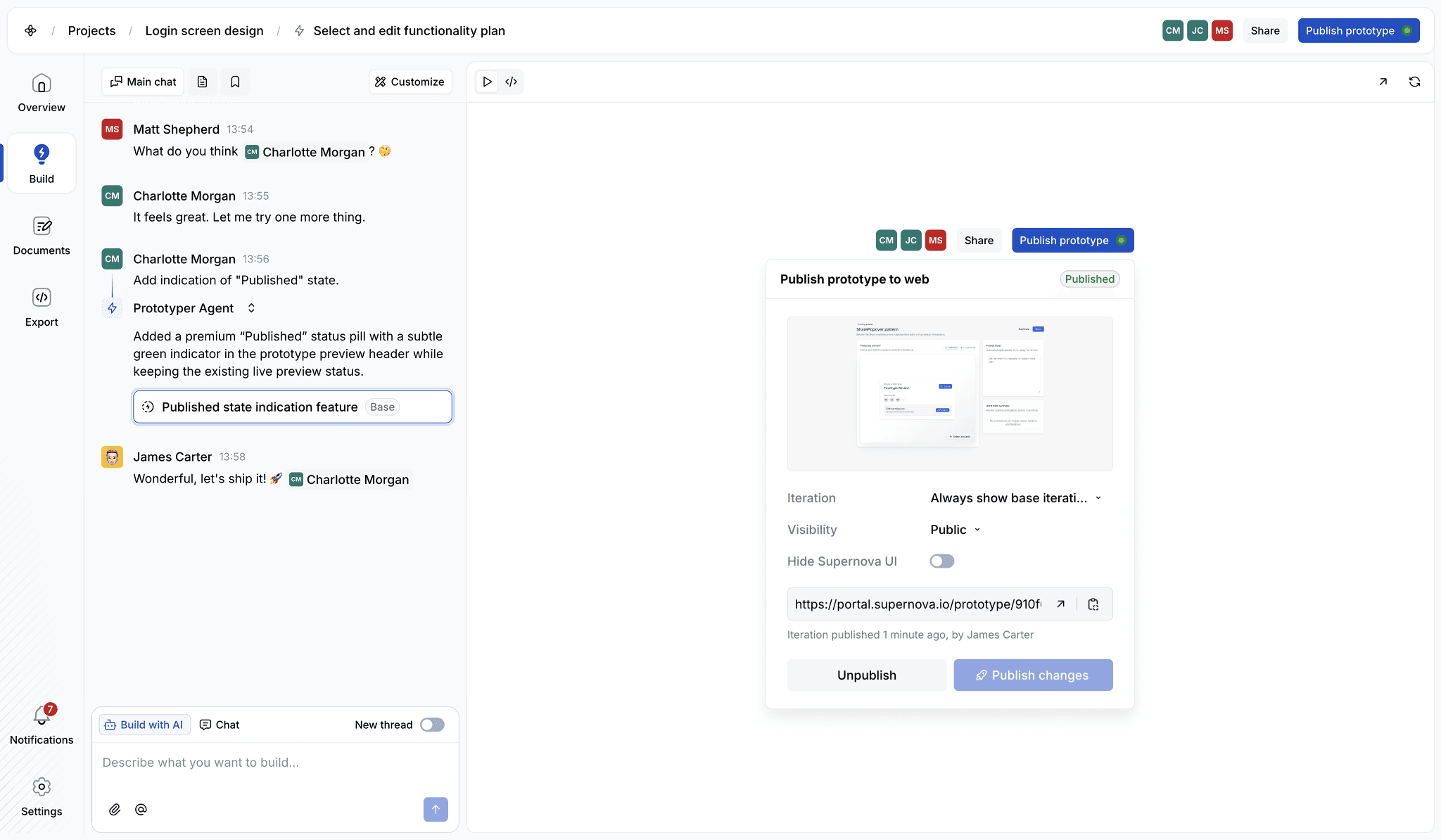
One of the biggest breakthroughs in the Supernova platform is that everything happens in a shared, collaborative space. When a PM starts a prototype, they're not working in isolation. Designers can jump in asynchronously to refine interactions. Engineers can review code patterns before implementation begins. Stakeholders can provide feedback directly within the prototype.
This collaboration extends to documentation. Before you even build a feature, you can create a one-pager describing what you want to accomplish. The AI helps you refine this document, suggesting sections you might have overlooked and ensuring your thoughts are clear. Once aligned, you use that document as context for the prototyping agent, essentially giving it a brief that guides every decision it makes.
As you build, you can continuously check back with your acceptance criteria. "Do we think this prototype fulfills all our success criteria?" you ask the agent. It reviews the document and the current state of your work, pointing out gaps or suggesting improvements. This keeps your team focused on the problem you're solving, not just the solution you're building.
The Handoff Revolution
Because prototypes use real code components, engineers receive artifacts they can immediately integrate:
- No translation from designs to code
- No recreation of functionality
- Review, refine, and extend existing work
Model Context Protocol (MCP) Integration: Share code, one-pagers, PRDs, and acceptance criteria directly into Cursor and Claude Code, giving engineers full context.
Getting Started: Making Vibe Coding Work for Your Team
You don't need a fully built design system to start. Supernova is designed to meet you where you are.
Step 1: Start with What You Have
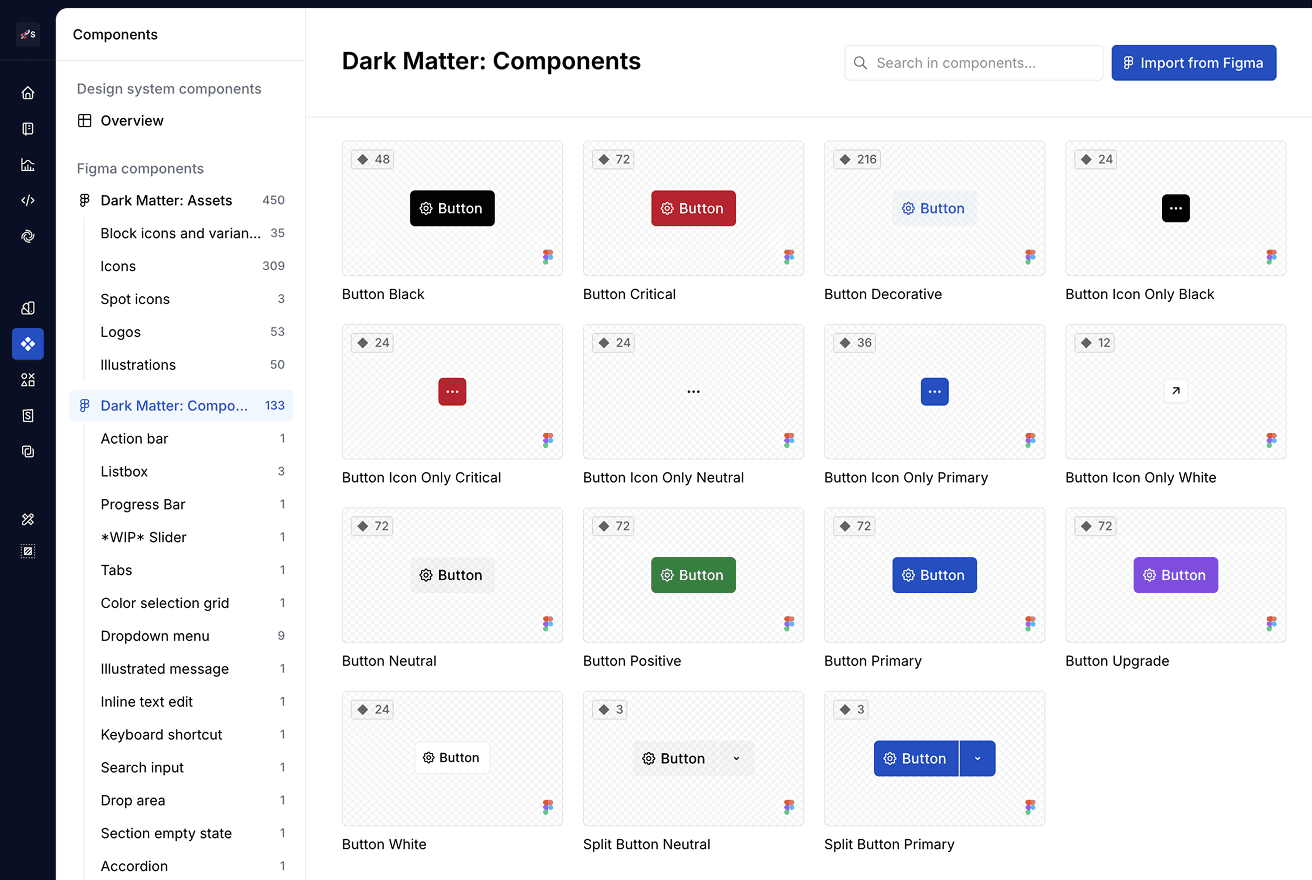
You can begin prototyping and vibe coding in Supernova by simply adding your existing code components. No complete design system is required. As you build, you can layer in design tokens, documentation, and guidelines over time, gradually deepening the context available to the AI.
Step 2: Identify Quick Wins
Look for iterative improvements in your backlog or features that don't require novel experiences. These are perfect candidates for early prototyping and great opportunities for PMs to contribute while designers focus on more complex challenges.
Step 3: Embrace Documentation
As your system matures, invest time in clear one-pagers, detailed acceptance criteria, and success metrics. The richer the context you provide, the more precisely the AI builds what you envisioned.
Step 4: Work as a Team
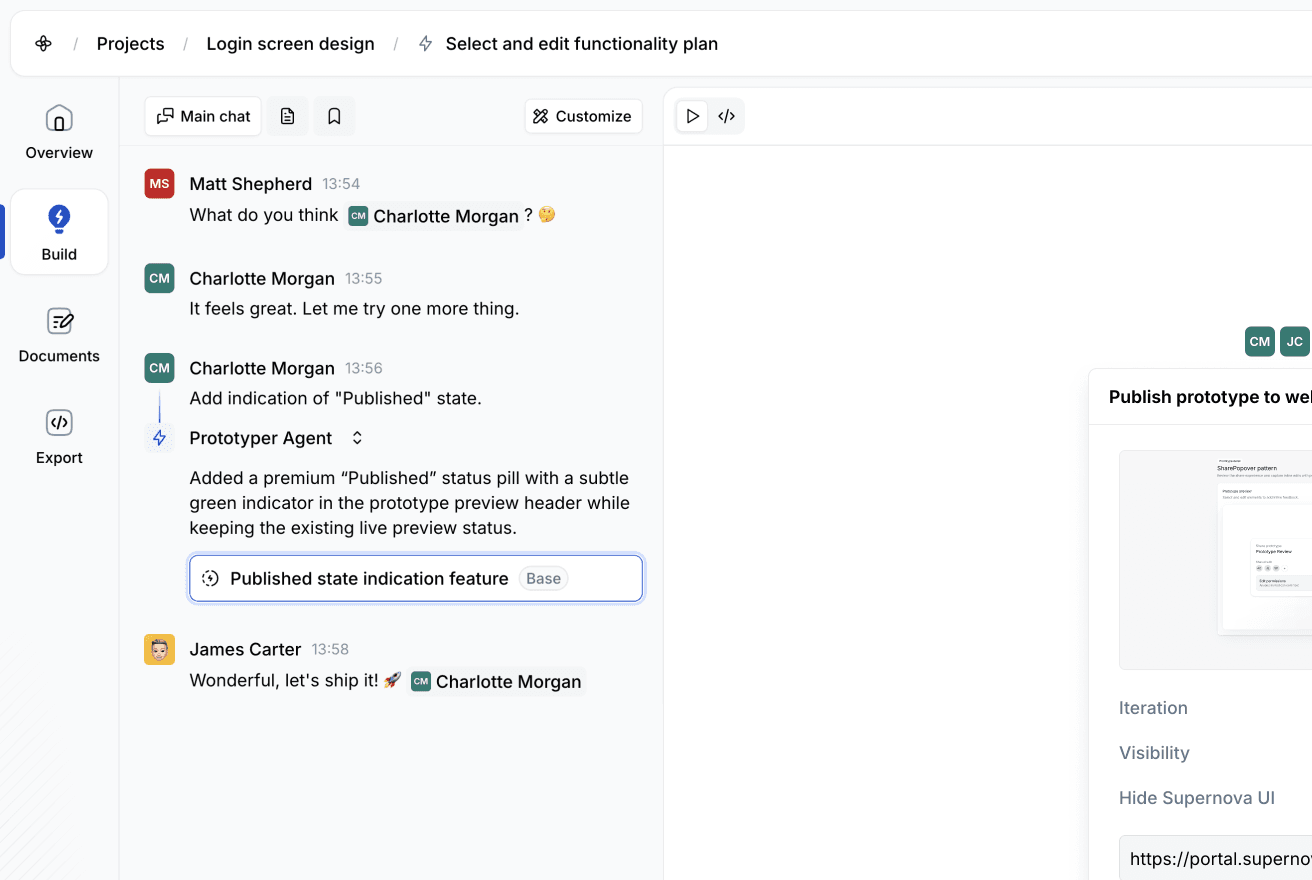
Bring PMs, designers, and engineers into the same environment. Design systems provide the vocabulary, vibe coding provides the speed, and collaboration provides the alignment.
The Future is Contextual
Vibe coding isn't going away; it's the future of how software gets built. But its success depends entirely on the context you provide.
**Generic AI Tools → Generic Results
**Without proper context:
- Approximations instead of authentic experiences
- Unmaintainable code
- Prototypes that never ship
**Context-Rich AI Tools → Production-Ready Results
**With design system foundation:
- Authentic brand embodiment
- Production-ready code
- Unprecedented speed without sacrificing quality
Design Systems as Enablers
Design systems aren't constraints; they are enablers that make vibe coding actually work at scale. When you combine a world-class design system platform with AI-powered prototyping built specifically for that context, you create an environment where everyone on your team can contribute to building products users love.
Transform Your Workflow with Supernova
Ready to see how a context-rich approach to vibe coding can transform your workflow?
Explore Supernova and discover what's possible when your design system becomes the foundation for truly collaborative, production-ready prototyping.
Resources
- : Deep dive into design systems and vibe coding
- Explore Supernova Platform: See our design system platform in action
- Book a Demo: Get personalized guidance for your team
Give your agents a system worth following
See how Supernova documents, syncs, and serves your system in one place.